Why Are Wasps Nesting Beneath Kansas Porch Eaves?
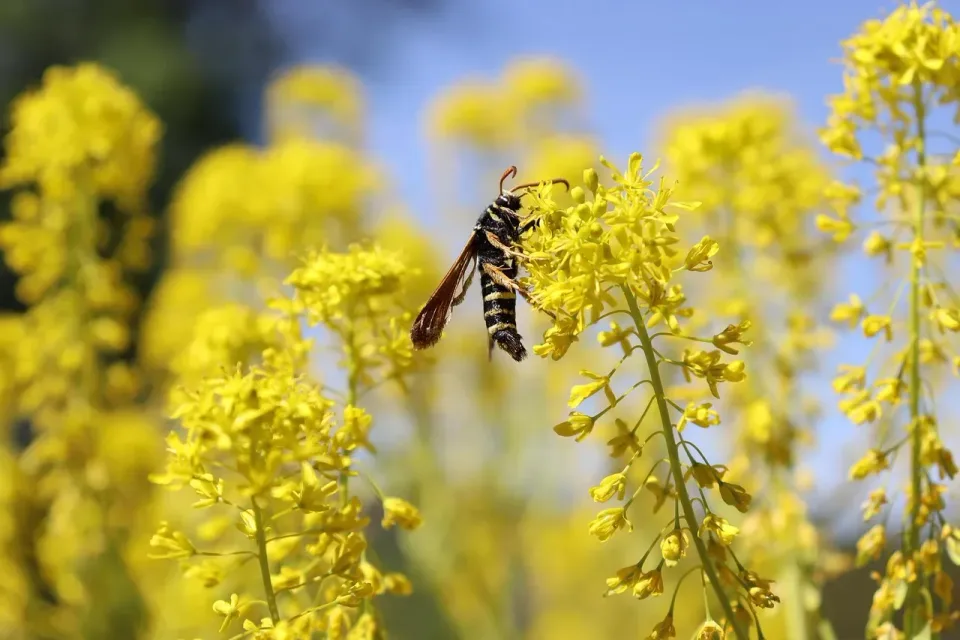
Wasps nesting beneath porch eaves are a reason to keep people clear and avoid disturbing the nest. Weather shifts can make porch areas attractive shelter, but the safest response depends on where the nest sits and how wasps behave around it.
A customer saying, “I need somebody to come out and kill them,” is often describing an immediate worry about children, visitors, or a frequently used doorway; keep that path clear while arranging an assessment. Don’t swat at the nest.
We also hear from callers who hoped to get help for ants, which shows how several pest concerns can surface at once, but a wasp nest needs its own identification and plan. Near Lake of the Ozarks in Kansas City, Kansas, we advise customers to report the nest’s location and activity before anyone approaches it.
Why do weather shifts draw wasps to eaves?
Wasps nesting beneath porch eaves can turn an everyday entrance into a risky route. In the field, we first look for repeated flight paths and the exact opening being used rather than treating every insect near the roofline as proof of a nest.
Kansas has marked regional differences: eastern Kansas typically receives more annual rainfall, while western Kansas is generally drier. That contrast can affect when and where homeowners notice outdoor pest activity, but it does not identify a nest by itself.
Watch from a safe distance and note whether wasps repeatedly enter one small gap. At the Kansas Speedway in Kansas City, visitors know how busy a shared entrance can get; at home, a porch door used all day deserves the same practical attention. Keep people away from the flight line.
What should you check before approaching an eave?
Do not climb a ladder to inspect an active nest. A common step people skip is watching from a protected spot long enough to identify a consistent entry point; one passing wasp is not the same evidence as repeated traffic.
Around Legends Outlets Kansas City, crowds move through shared spaces, while a home’s porch may funnel family members and guests close to a nest. Tell household members to use another entrance if possible.
Avoid sealing an opening, spraying into a void, or striking the nest: these actions can agitate insects or leave activity unresolved inside the structure. Our inspection records the nest location, visible activity, and access limitations so the treatment plan fits the actual site.
Kansas landmarks, different weather, same caution
The Kansas State Capitol in Topeka sits in a part of the state where homeowners also need to consider local site conditions, not just the season. Likewise, the climate around Kansas State University in Manhattan is not a reason to assume every eave nest behaves alike.
We assess the structure and wasp activity at the property. In Kansas City, Strawberry Hill Museum is a recognizable local landmark, but for a homeowner the useful detail is the condition of the eave, trim, and nearby access route.
Don’t rely on a general weather rule to decide whether a nest is inactive. Observe without disturbing it, and share recent activity and the nest’s position when arranging service. Those details help us plan safe access and explain what we find.
When should you call a professional?
Call for professional help if wasps are using a doorway, the nest is hard to reach, or you cannot identify a safe way to keep people clear. A small, visible nest in an accessible location may tempt a homeowner to try a store-bought product, but height, concealed nesting, and nearby foot traffic change the risk.
Choose a pro rather than climbing, knocking down the nest, or spraying blindly. Our crew identifies the pest, inspects the approach, and explains the intended treatment before work begins.
For more about our inspection and service approach, see Kansas Pest Solutions. If you are comparing nest-removal guidance, our article on wasps nesting beneath porch eaves in Kansas covers the same concern in more detail.
Which Approach Fits Wasps Beneath Porch Eaves?
The right option depends on whether you have an active nest, repeated sightings, or a separate pest issue; these choices are not interchangeable.
| Option | Best for | Key detail |
|---|---|---|
| Nest inspection | Confirming activity and location | Inspection identifies activity; treatment applies control measures. |
| Targeted nest treatment | A confirmed active wasp nest | The nest’s position and safe access shape the plan. |
| General pest prevention plan | Ongoing, broader pest concerns | Many pest plans schedule visits quarterly. |
Interstate 70 crosses Kansas, and travelers may notice seasonal changes along the route, but a roadside sighting does not confirm a nest at home. Monument Rocks in Gove County is a distinct western landmark; a homeowner’s next step is still to assess the actual property.
Warm autumn stretches may extend tick and mosquito activity, so continued outdoor pest sightings are not automatically wasps. Report what you see and where.
How to Prepare for a Porch-Eave Nest Inspection
A clear description helps us plan access before arriving. Freeze-thaw cycles can open foundation cracks, so if you also notice gaps around the home, mention them as a separate concern rather than assuming they connect to the nest.
Heavy rain can flood basements and crawl spaces; report water or access problems that may affect inspection routes. Around Botanica Wichita, visitors follow marked paths; at home, keep the route to the porch clear without approaching the nest.
-
Describe the nest: Tell us which eave it is beneath and when you see wasps entering or leaving.
-
Keep people back: Block the porch route from household use without standing near the flight path.
-
Secure pets: Bring pets indoors before the technician arrives.
-
Share access concerns: Mention ladders, locked gates, or areas that cannot be reached safely.
-
Report prior treatment: Tell us what product was used, if any, and when it was applied.
-
Follow instructions: Keep people away during service and follow the product-label reentry directions provided.
Should You Call for Help With Wasps at Your Eaves?
If wasps keep entering beneath a porch eave, keep the area clear and arrange an inspection rather than trying to reach the nest yourself. Kansas’s continental climate brings hot summers and cold winters, but a temperature change alone cannot tell you whether a nest is safe to approach.
The Keeper of the Plains in Wichita is a familiar local landmark; at your home, the most useful evidence is the nest’s position and its activity. Keep it simple.
Kansas Pest Solutions identifies the pest, explains the plan, and treats with care for people and property. Request an assessment through our Wasp Nest Removal service or contact our team with the nest location and access details.